How to set a realistic publishing rhythm for a solo website
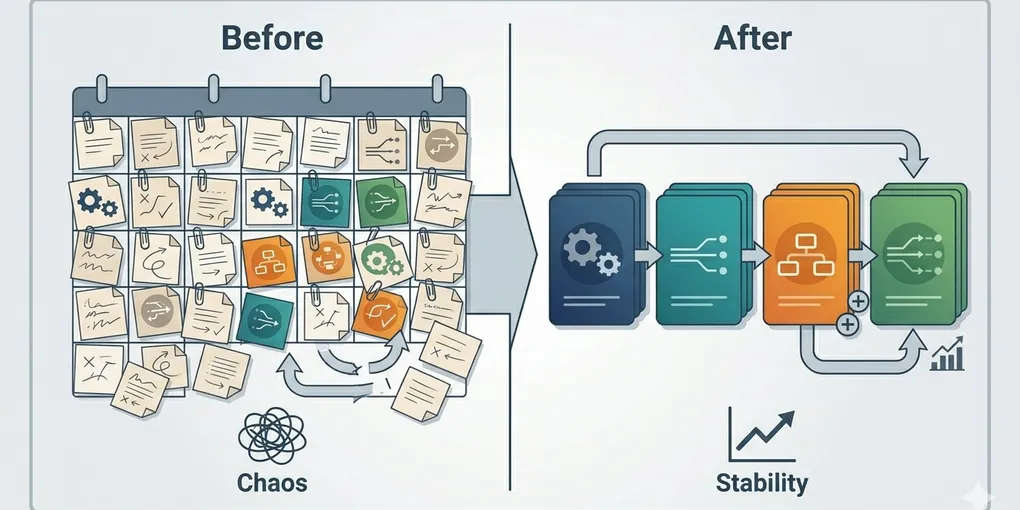
Many solo sites do not miss publishing goals because the owner is lazy. They miss them because the schedule was designed around motivation, not actual weekly capacity.
One post every week sounds simple until writing, editing, image work, publishing checks, and maintenance all compete for the same small block of time. Then the rhythm breaks, guilt builds, and the site starts feeling heavier than it should.
This post is about setting a publishing rhythm that matches reality. The goal is not the most aggressive cadence. The goal is the fastest rhythm you can maintain without quietly damaging the rest of the site.
1. The common mistake is choosing a cadence before measuring operating capacity
Many solo publishers start with a target like twice a week, weekly, or every weekday. That sounds like planning, but it usually happens before they know how much time one post actually consumes.
A cadence chosen this way is really just a wish. It ignores review time, image generation, revision loops, metadata cleanup, publishing checks, and the maintenance work that continues even when no post ships.
2. A realistic cadence starts from capacity, not ambition
This is the main shift. A publishing rhythm is not just a writing schedule. It is a promise that your site can keep repeatedly.
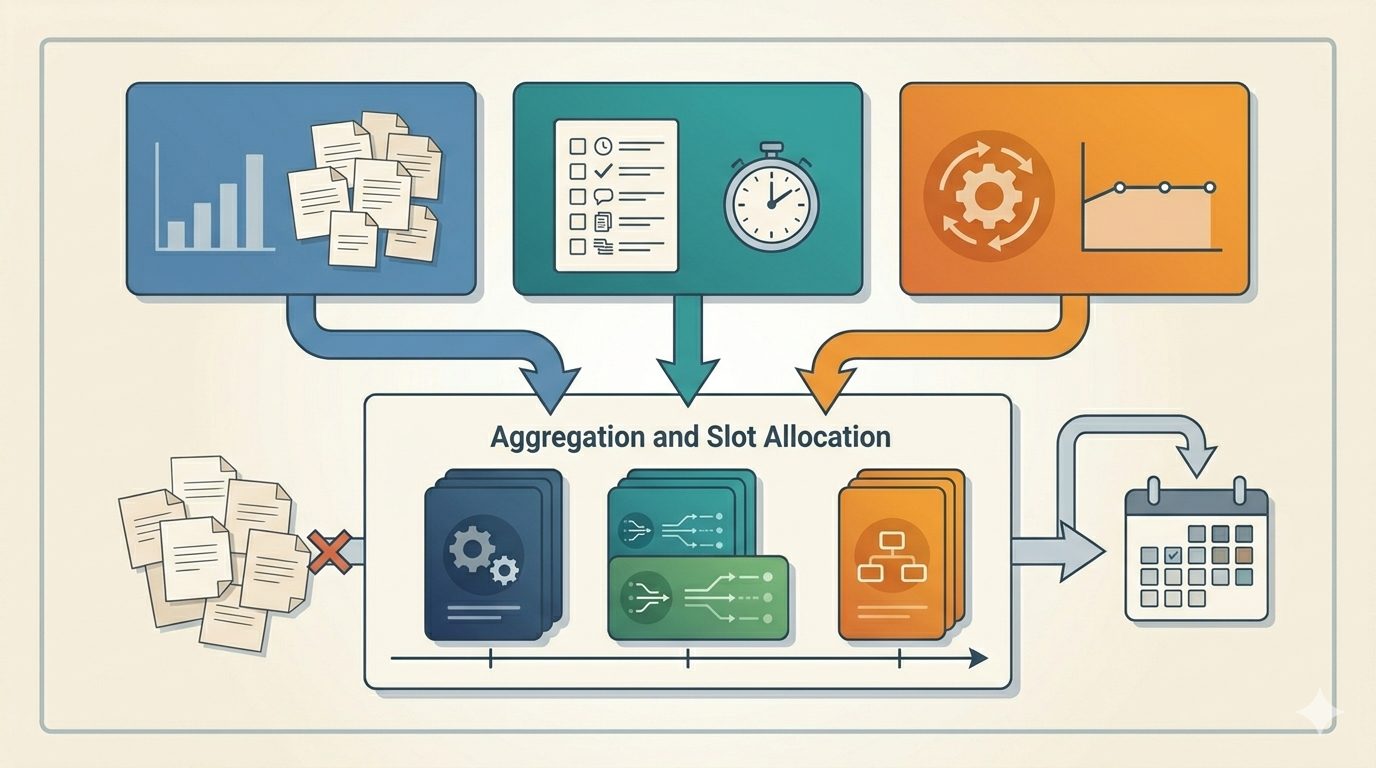
That promise holds only when three layers fit together: how much writing and revision time you really have, how much publishing overhead each post carries, and how much maintenance your site already needs outside of publishing. Most solo sites fail not because the chosen rhythm sounds unreasonable on paper, but because these three layers were never measured together.
This is where weekly ambition becomes expensive. A person may believe they can publish two posts every week because drafting one post feels possible. But the real system includes image iteration, final review, asset placement, metadata updates, internal structure checks, and the mental reset required between posts. The writing may fit. The full release cycle often does not.
A better cadence starts by asking a colder question: after maintenance is protected, how many full release units still fit? Not idea units. Not draft units. Release units. If the answer is one complete post every ten days, calling the system weekly does not make it stronger. It only makes the schedule dishonest.
That is why realistic cadence design is less about discipline than about denominator control. You are not choosing a frequency in isolation. You are choosing how much repeated load the system can survive without turning every publishing day into recovery debt.
3. Count full release cost, not writing time alone
A solo cadence should usually be estimated in full release units:
- drafting and revision time
- image prompting and selection time
- final structure and metadata cleanup
- post-move and publishing verification time
- ongoing maintenance time that week
When only the drafting block is counted, the cadence will almost always be too aggressive.
4. Leave slack on purpose
A sustainable cadence has empty space built into it. Solo operations need recovery margin, interruption margin, and correction margin. Without that slack, one bad week forces the next week to absorb debt.
That is why a cadence that looks slightly conservative is often the one that ships more over a month.
5. One concrete planning example is enough
Suppose you have six usable hours a week. If maintenance takes two, image and final review take one and a half, and publishing checks take another half hour, the real writing and revision budget is smaller than it first looked. A weekly post may still fit, but only if the article format stays narrow. If the format grows heavier, the honest cadence may be every ten to fourteen days.
That slower rhythm is not a failure. It is the first rhythm the site can actually keep.
What to do first
Measure one recent post as a full release unit from first draft to final verification. Then reserve maintenance time first and see how many complete release units really fit in a month. Set your cadence from that number, not from your ideal week.